
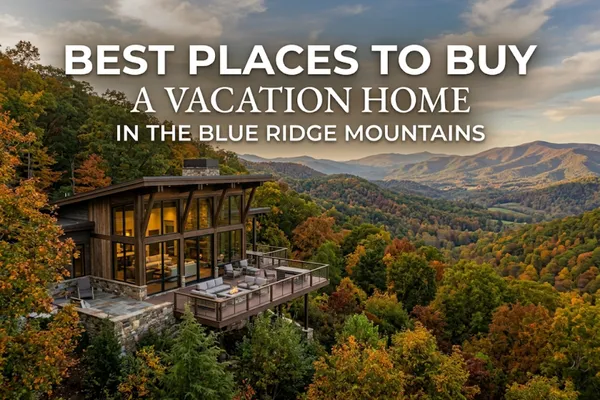
Top Spots for Vacation Homes in Blue Ridge Mountains
Vacation Homes, Blue Ridge Mountains, Real Estate, Buying Guide, Mountain Retreats
Best Places to Buy a Vacation Home in the Blue Ridge Mountains
From misty ridgelines to cozy small towns with great food and live music, the Blue Ridge Mountains are one of the most sought‑after regions in the U.S. for vacation homes and mountain retreats. Whether you’re dreaming of a personal escape, a short‑term rental investment, or a mix of both, choosing the right town is the key to getting the most from your purchase.
Why the Blue Ridge Mountains Are Ideal for Vacation Homes
Stretching from Georgia through the Carolinas and into Virginia, the Blue Ridge Mountains offer a rare mix of year‑round outdoor recreation, charming downtowns, and strong real estate fundamentals. Buyers are drawn to:
Four true seasons—leaf‑peeping in fall, skiing and cozy fires in winter, wildflowers in spring, and lake life in summer.
A well‑established vacation rental market, especially in North Georgia and Western North Carolina, supporting strong nightly rates and occupancy for well‑located cabins and cottages.
Increasingly balanced real estate markets in 2026, giving buyers more negotiating power and more time to make thoughtful decisions.
Below is a practical buying guide to the best places to purchase vacation homes in the Blue Ridge Mountains today, with an emphasis on lifestyle, price points, and investment potential.
Blue Ridge, Georgia: Cabin Capital with Strong Rental Demand
Blue Ridge, Georgia, has become one of the most talked‑about destinations for mountain retreats—and with good reason. Its scenic railway, bustling downtown, and easy access to lakes and rivers give it a distinctive brand that travelers recognize and search for by name. That brand power translates directly into real estate value and vacation rental performance.
In 2026, typical home values in Blue Ridge hover around the low‑to‑mid $500,000s, with Redfin estimating a median sale price near $495,000 and Realtor.com showing higher median listing prices closer to $700,000. Smaller or older cabins can sometimes be found in the mid‑$300,000s to low‑$400,000s, while turnkey, mid‑range vacation homes often fall between $750,000 and $850,000. Luxury creekfront lodges and multi‑cabin estates easily reach $1.5 million and above.
For investors, the short‑term rental (STR) numbers are compelling. Recent analyses show an average daily rate around $361 and roughly 53% occupancy across nearly 1,500 active listings, producing estimated gross revenues of about $62,500 per year per property. Premium cabins—especially those with downtown proximity, river frontage, or elevated design—can achieve even higher ADRs and net cash‑on‑cash returns approaching 10–12% when managed professionally.
💡 Pro Tip: In Blue Ridge, Georgia, generic “mountain cabins” underperform. Listings that lean into a clear story—like “Railway Retreat” or “Downtown Creekside Escape”—tend to command higher nightly rates and better occupancy.
Asheville, North Carolina: Culture, Cuisine, and Mountain Views
If you want a vacation home that blends mountain scenery with a vibrant city experience, Asheville is hard to beat. Known for its art galleries, craft breweries, and historic architecture, Asheville offers a more urban take on Blue Ridge living while still delivering easy access to the Blue Ridge Parkway, Pisgah National Forest, and countless hiking trails.
Market data from mid‑2026 shows a cooling but still active real estate scene. The Asheville‑area median sale price recently dipped to around $416,000, down nearly 20% year‑over‑year, while inventory has grown and months of supply hover near 5.8. For buyers, that translates into more choice and less bidding‑war pressure than in previous years. Well‑located condos, bungalows, and small homes within a short drive of downtown can make excellent hybrid properties—used personally for long weekends and rented out selectively when you’re away, subject to local regulations.
Boone & Blowing Rock, North Carolina: High‑Country Adventure Hubs
For buyers who prioritize skiing, whitewater rafting, and cool summer temperatures, the High Country towns of Boone and Blowing Rock stand out. Boone, home to Appalachian State University, has a youthful, outdoorsy energy; nearby Blowing Rock offers a quieter, upscale village feel with boutiques and fine dining, all perched along the Blue Ridge Parkway.
As of 2026, typical vacation home prices in this corner of the Blue Ridge Mountains range from roughly $485,000 in Boone to around $545,000 in Blowing Rock, with Banner Elk trending higher still. These markets have long been favorites for second‑home owners, and while prices can feel steep, seasonal rental income—especially during ski season and fall foliage—can significantly offset ownership costs. A $500,000 home, for example, might generate $18,000–$40,000 in annual STR income depending on location, amenities, and management.
Maggie Valley & Waynesville, North Carolina: Classic Smoky Mountain Retreats
West of Asheville, Maggie Valley and nearby Waynesville offer a more traditional Smoky and Blue Ridge Mountains experience, with winding roads, roadside motels turned chic, and cabins tucked into the hillsides. These towns provide excellent access to the Blue Ridge Parkway and Great Smoky Mountains National Park, making them ideal for buyers who value hiking, elk watching, and scenic drives over nightlife.
Local real estate agents report that updated cabins with strong views and modern finishes continue to sell quickly, while dated properties tend to linger. Inventory is tighter here than in some larger markets, but prices are often more approachable than Asheville or the High Country. For many buyers, Maggie Valley and Waynesville strike the right balance between affordability, rental potential, and that “classic mountain town” feel.
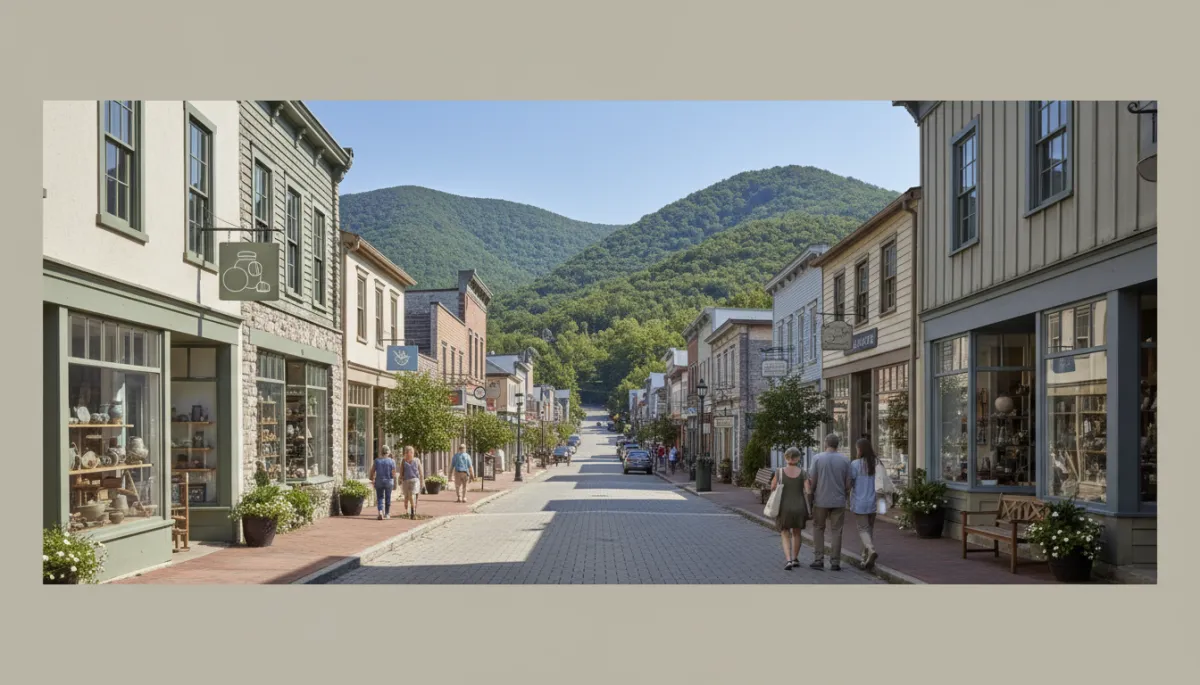
Walkable downtowns with dining and shops boost both lifestyle appeal and rental demand.
Blue Ridge, Virginia & Nearby Towns: Value Plays in a Softening Market
On the Virginia side of the Blue Ridge, markets around Blue Ridge, VA, and the Roanoke region offer attractive price points for buyers who want a quieter retreat and are less focused on short‑term rental income. Recent data shows median sale prices around $329,000—down more than 15% year‑over‑year—and homes staying on the market longer, with a median of 25 days compared to just 10 a year earlier. Fewer homes are selling each month, and the share of properties closing above list price has dropped significantly.
For vacation home buyers, this softening creates an opportunity. While the area is less of an STR hotspot than Blue Ridge, Georgia, it’s ideal if you want a personal getaway with hiking, cycling, and scenic drives along the Blue Ridge Parkway, without the premium price tag of more tourism‑driven towns. With careful negotiation, you may secure more house—and more land—for your budget.
Other Notable Blue Ridge Mountain Retreat Towns
Beyond the headline destinations, several smaller towns deserve a look when comparing vacation homes in the Blue Ridge Mountains:
Dahlonega, Georgia – A historic gold‑rush town with wineries, gentle mountain scenery, and a growing second‑home market. Ideal for buyers who love vineyards as much as hiking trails.
Hendersonville, North Carolina – South of Asheville, with apple orchards, a revitalized downtown, and easier price points than Asheville proper. Great for multi‑generational getaways and long weekends.
West Jefferson, North Carolina – A smaller arts‑driven town with galleries, murals, and access to the New River, offering a quieter alternative to Boone with similar natural beauty.
Buying Guide: How to Choose the Right Blue Ridge Vacation Home
With so many appealing towns, narrowing your search can feel overwhelming. Use these buying‑guide questions to match the right Blue Ridge Mountains market to your goals:
Is this primarily a lifestyle purchase or an investment? If you’re focused on income, Blue Ridge, Georgia, and the North Carolina High Country generally offer stronger STR performance. If it’s mainly for personal use, consider quieter and more affordable areas like Blue Ridge, Virginia, Maggie Valley, or West Jefferson.
How important is walkability and a lively downtown? Asheville, Blue Ridge (GA), Boone, Blowing Rock, and Waynesville shine here. Walkable downtowns usually translate to higher rental demand and better long‑term resale value.
What’s your all‑in budget—including furnishings and upgrades? In many Blue Ridge real estate markets, the properties that perform best as vacation homes are fully furnished, professionally decorated, and equipped with in‑demand amenities like hot tubs, fire pits, and high‑speed internet. Plan 10–20% of the purchase price for furnishing and set‑up if you’re starting from scratch.
Do local regulations support short‑term rentals? Before you fall in love with a property, confirm whether county and city rules allow STRs, whether there are permit caps, and what tax obligations you’ll face. Regulations can vary dramatically from one Blue Ridge town to the next.
How will you manage the property? If you live several hours away, budget for professional management—typically 20–30% of gross rent. In markets like Blue Ridge, GA, and Boone, you’ll find a robust ecosystem of management companies and cleaners familiar with vacation homes and mountain retreats.
📌 Key Takeaway: The “best” place to buy a vacation home in the Blue Ridge Mountains is the town where your budget, lifestyle, and rental strategy align—not just the one with the highest nightly rate.
Final Thoughts: Matching Your Mountain Retreat to Your Vision
From the cabin‑rich hills around Blue Ridge, Georgia, to the artsy streets of Asheville and the high‑country slopes near Boone and Blowing Rock, the Blue Ridge Mountains offer a spectrum of vacation home possibilities. In 2026, shifting real estate conditions—softer prices in some markets, more balanced supply and demand in others—have created a window where patient buyers can secure high‑quality mountain retreats without the frenzy of previous years.
Start by clarifying how you plan to use your vacation home, then shortlist two or three towns that fit your lifestyle and financial goals. Visit in different seasons, walk the downtowns, and tour a mix of properties at various price points. With thoughtful planning and a clear buying guide in hand, your Blue Ridge vacation home can become both a cherished personal sanctuary and a smart long‑term real estate investment.