
Is Biltmore Lake, NC Ideal for Retirees?
Retirement, Relocation, North Carolina Living
Is Biltmore Lake, NC a Good Place to Live for Retirees?
Nestled just outside Asheville in Western North Carolina, Biltmore Lake has become a quiet favorite among retirees seeking scenic beauty, a strong sense of community, and low‑stress living. But is it truly a good place to retire—or simply a pretty neighborhood with a famous name? Let’s take a closer look at what life in Biltmore Lake really offers older adults.
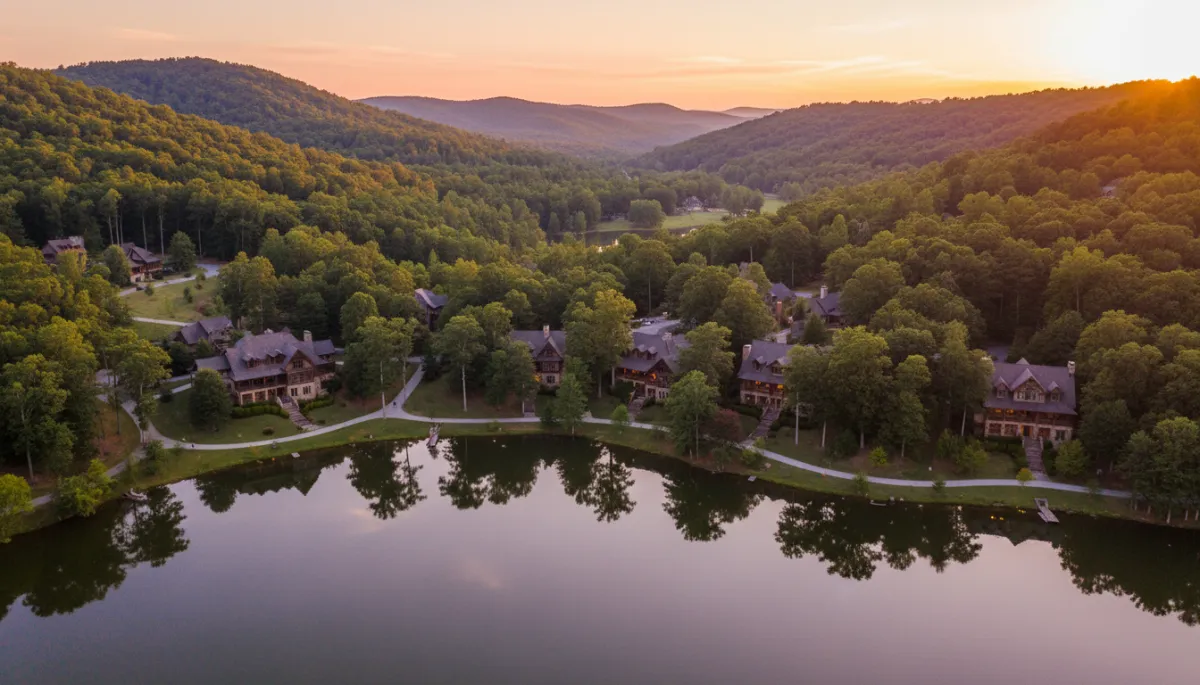
Retiring by the Water at Biltmore Lake
A peaceful North Carolina community designed for relaxed, active living
Where Is Biltmore Lake and What Is It Like?
Biltmore Lake is a planned residential community about 20 minutes southwest of downtown Asheville, in Buncombe County, North Carolina. It centers around a serene, 62‑acre lake ringed by walking trails, pocket parks, and tree‑lined streets. The neighborhood blends craftsman‑style homes, cottages, and townhomes with preserved green space, creating the feel of a quiet mountain retreat rather than a dense subdivision.
While Biltmore Lake is not an age‑restricted 55+ community, it attracts a high number of retirees and empty‑nesters. Many residents are drawn by the area’s four distinct but relatively mild seasons, the nearby Blue Ridge Mountains, and Asheville’s reputation for arts, healthcare, and outdoor recreation. The result is a neighborhood that feels calm and residential, yet far from isolated or sleepy.
Lifestyle and Community: A Strong Draw for Retirees
For many retirees, the biggest question is not just where they will live, but how they will live. In Biltmore Lake, the lifestyle is very much centered around the outdoors, neighborly connection, and low‑maintenance comfort. The community’s master plan emphasizes common spaces and walkability, which naturally encourages people to get out, move, and meet one another.
Paved and natural walking trails wind around the lake and through wooded areas, ideal for daily strolls or light hikes.
Neighborhood parks and gathering spots host informal meetups, book clubs, and community events.
Non‑motorized boating, such as kayaks and canoes, is typically allowed, giving residents a peaceful way to enjoy the water.
For retirees seeking an active, social lifestyle without the party atmosphere of some resort communities, this balance is appealing. You can be as involved as you like—joining clubs, volunteering, or simply enjoying quiet mornings on your deck with a lake view. The presence of multi‑generational families also means grandchildren can visit and feel right at home, which is a plus for many older adults.
💡 Pro Tip: If community activities are important to you, ask the homeowners’ association or residents’ groups for a calendar of recent events to see how active the social scene really is.
Housing Options and Home Maintenance Considerations
Biltmore Lake offers a variety of home types, from smaller cottages and townhomes to larger single‑family houses on wooded lots. For retirees, this range can be helpful, whether you’re downsizing from a big family home or looking for enough space to host extended family. Many homes feature open‑concept layouts, main‑level primary suites, and outdoor living areas, all of which are appealing for aging in place.
Because this is a planned community with a homeowners’ association (HOA), common‑area maintenance—such as landscaping of shared spaces, trail upkeep, and lake amenities—is handled for you. Some neighborhoods within Biltmore Lake also offer lawn care or exterior maintenance services, reducing the physical demands of homeownership as you age. That said, HOA fees will factor into your monthly budget, so it’s wise to compare what’s covered and how fees have changed over time.
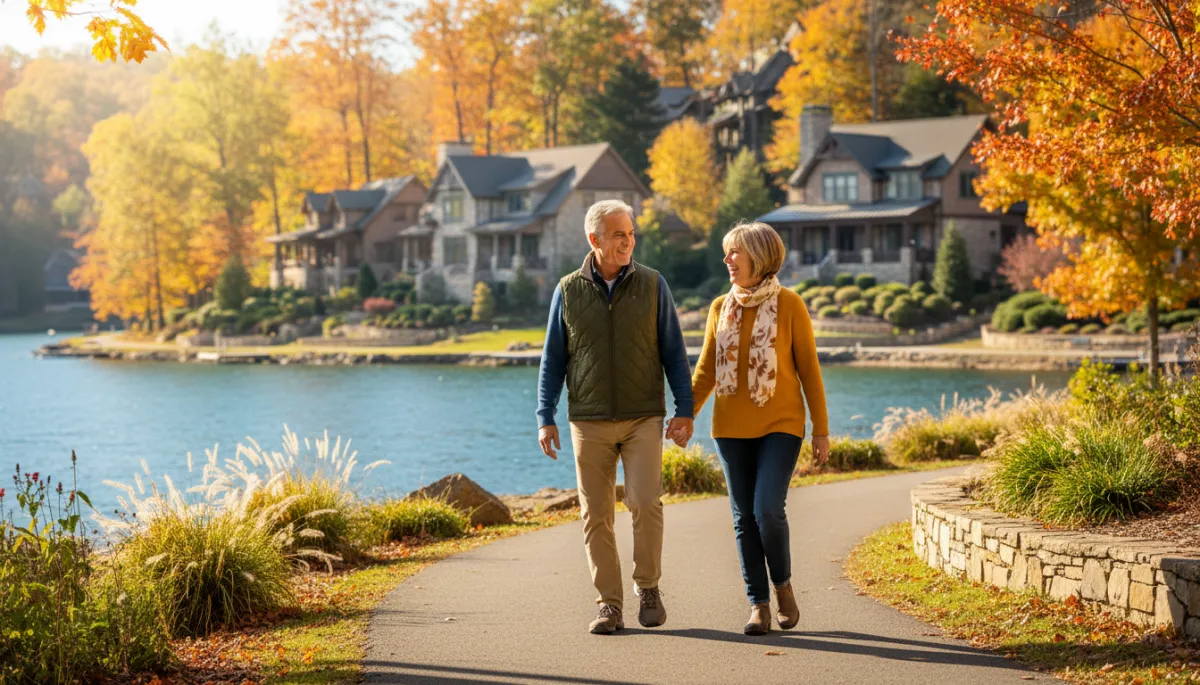
View of retirees walking on a lakeside path in Biltmore Lake, craftsman-style homes and autumn...
Walkable trails and low‑maintenance homes help retirees stay active without added stress.
Cost of Living and Affordability for Retirement Budgets
Compared with many parts of the country, particularly the Northeast and West Coast, Western North Carolina can feel relatively affordable. However, Biltmore Lake sits on the higher end of the Asheville‑area market due to its amenities, lake access, and overall desirability. Home prices are typically above the regional average, and HOA dues add an ongoing expense that retirees should factor into long‑term planning.
On the positive side, North Carolina is generally considered retiree‑friendly from a tax perspective. The state does not tax Social Security benefits, and property taxes in Buncombe County are moderate compared with many urban and coastal regions. Everyday expenses— groceries, gas, dining out—tend to be in line with national averages, and some retirees find they can enjoy a higher quality of life for the same or slightly lower overall cost than in their previous city.
📌 Key Takeaway: Biltmore Lake is not a budget destination, but for retirees who value amenities, natural beauty, and convenience, the costs can align well with the lifestyle it delivers.
Healthcare Access: A Critical Factor for Retirees
Access to quality healthcare is one of the most important considerations when choosing a retirement destination. In this respect, Biltmore Lake benefits greatly from its proximity to Asheville. The city is home to regional medical centers, specialty practices, and a range of clinics and urgent care options. Many retirees appreciate that they can live in a peaceful lakeside setting while being within a short drive of hospital‑level care and major medical providers.
Additionally, Asheville has become a hub for wellness and preventive health, with numerous fitness studios, physical therapy practices, and holistic health providers. For retirees focused on maintaining mobility, managing chronic conditions, or simply staying active and engaged, this ecosystem can be a meaningful advantage over more remote mountain communities that lack robust medical infrastructure.
Climate, Nature, and Outdoor Recreation
Western North Carolina’s climate is a major selling point for retirees escaping harsh winters or sweltering summers. Biltmore Lake enjoys four true seasons, with relatively mild winters, colorful autumns, and warm but not oppressive summers thanks to the area’s elevation. Snow does fall on occasion, but it tends to be light and short‑lived compared with northern states, which is appealing for those who want seasonal change without months of shoveling.
For outdoor enthusiasts, the location is hard to beat. Beyond the lake and trails within the community, residents are a short drive from the Blue Ridge Parkway, Pisgah National Forest, and numerous waterfalls and overlooks. Whether you prefer gentle walks, scenic drives, bird‑watching, or more vigorous hikes, Biltmore Lake serves as a convenient home base for exploring the region’s natural beauty at your own pace.
Culture, Dining, and Everyday Conveniences Nearby
Retiring doesn’t mean giving up culture, good food, or interesting things to do—and in this regard, Biltmore Lake’s connection to Asheville is a clear advantage. Within 20–30 minutes, residents can access art galleries, live music venues, theaters, and museums. The city’s food scene is nationally recognized, with farm‑to‑table restaurants, craft breweries, and cafés that make dining out a pleasure rather than a chore.
Day‑to‑day errands are also straightforward. Grocery stores, pharmacies, and basic retail options are available in nearby commercial areas, so you don’t need to drive into downtown Asheville for everyday needs. This combination of rural tranquility and urban access is a big part of why the wider Asheville area consistently ranks highly on lists of best places to retire in the United States.
Potential Drawbacks to Consider Before Retiring in Biltmore Lake
No community is perfect, and Biltmore Lake may not suit every retiree’s preferences or budget. A few potential downsides are worth weighing as you evaluate whether it’s the right fit for you:
Home prices and HOA fees: The combination of higher property values and association dues may be challenging for retirees on a fixed or modest income.
Tourist traffic in peak seasons: While Biltmore Lake itself is residential, the greater Asheville area can feel busy during leaf season, holidays, and popular festivals, which may affect traffic and restaurant availability.
Not a dedicated 55+ community: Some retirees love the multi‑generational character; others may prefer an age‑restricted environment with amenities tailored exclusively to older adults.
⚠️ Warning: Before purchasing, review HOA covenants and restrictions carefully. Rules about landscaping, rentals, or exterior changes can affect how freely you use your property in retirement.
So, Is Biltmore Lake a Good Place to Live for Retirees?
Taking all of these factors together, Biltmore Lake, NC, can be an excellent place to live for retirees—especially those who value natural beauty, a relaxed but active lifestyle, and proximity to a vibrant small city. The community offers walkable trails, lake access, and a strong sense of neighborhood connection, all of which support physical health and social well‑being in later life. Access to quality healthcare and Asheville’s cultural amenities further strengthens its appeal as a long‑term home base.
At the same time, it’s important to be realistic about costs and personal preferences. If you are seeking the lowest possible housing expenses, or you strongly prefer an age‑restricted community with highly structured activities, Biltmore Lake may not be the perfect match. But for many retirees who are comfortable with a mid‑to‑upper‑range budget and want a peaceful, scenic setting with easy access to both nature and culture, it checks a remarkable number of boxes.
Ultimately, the best way to decide is to spend time there yourself. Visit in different seasons, walk the trails, talk to residents, and get a feel for daily life. If you find that the pace, people, and surroundings match your vision for retirement, Biltmore Lake could very well be more than just a good place to live—it could be the place you’re proud to call home for years to come.