

Moving to Western NC in 2026: Pros & Costs
Relocation, Western NC Moving, Cost Of Living 2026
Moving to Western NC in 2026: Pros, Cons, and Cost of Living
Thinking about moving to Western NC in 2026? You’re not alone. From Asheville’s creative energy to quieter mountain towns like Boone and Hendersonville, Western North Carolina has become a top destination for people relocating to North Carolina in search of scenery, community, and a slightly slower pace of life. But before you pack the moving truck, it’s important to understand the real pros and cons, and what the cost of living in 2026 actually looks like on the ground.
Why Western North Carolina Is on So Many Shortlists
Western NC moving trends have accelerated in recent years for one big reason: lifestyle. The region stretches across the Blue Ridge and Great Smoky Mountains, offering dramatic views, four true seasons, and endless outdoor recreation. Asheville anchors the area with a lively arts, food, and brewery scene, while smaller communities like Black Mountain, Waynesville, and Boone offer quieter, tight-knit neighborhoods with quick access to trails and rivers.
Remote work, “halfback” migration from Florida, and retirees seeking cooler summers have all fueled demand. At the same time, Western NC lifestyle trends in 2026 lean toward “deep mountain” living—low-maintenance homes, indoor–outdoor spaces, and locations that feel like a retreat but sit within a reasonable drive of grocery stores, hospitals, and cultural events.
The Pros of Moving to Western NC in 2026
1. Stunning Scenery and Outdoor Access
Western North Carolina is defined by the Blue Ridge Mountains, rolling ridgelines, waterfalls, and national forests. If your ideal day involves hiking, mountain biking, kayaking, fly fishing, or simply driving the Blue Ridge Parkway, this region delivers in a big way. Once you have basic gear, most of these activities are low-cost or free, which helps balance out other expenses in your overall cost of living 2026 budget.
2. Four-Season Climate (Without the Harshest Extremes)
Compared with much of the Southeast, Western NC enjoys milder summers thanks to elevation, plus crisp falls, cool winters, and blooming springs. You’ll see some snow in many mountain communities, but not typically the deep-freeze conditions of the Northeast or Midwest. For many people relocating to North Carolina, this four-season balance is a major draw.
3. Culture, Food, and the Arts—Especially Around Asheville
Asheville, the best-known city in Western NC, punches far above its weight in arts, music, and dining. You’ll find galleries, live music venues, independent bookstores, and a nationally recognized culinary and craft beer scene. Surrounding towns host their own festivals and farmers’ markets, adding to a Western NC lifestyle that feels creative, local, and community-focused rather than corporate and cookie-cutter.
4. Tight-Knit Communities and Slower Pace
Many people moving to Western NC are looking for a stronger sense of community. Smaller towns often deliver exactly that: neighbors who know each other, local businesses that remember your name, and civic groups, outdoor clubs, and churches that make it easy to plug in. For retirees, young families, and remote workers, this slower, more intentional pace is a big advantage over larger metro areas.
5. Relative Affordability Outside the Hottest Spots
North Carolina overall remains about 5–8% cheaper than the U.S. average in many cost-of-living measures, according to state-level data. While Asheville itself can be more expensive, smaller Western NC towns such as Boone, Marion, or parts of Henderson County often offer more house for the money and lower monthly expenses. In 2026, Boone’s overall living costs are estimated to be significantly lower than Asheville’s—up to 47% cheaper when rent is included—making it an appealing alternative for budget-conscious movers.
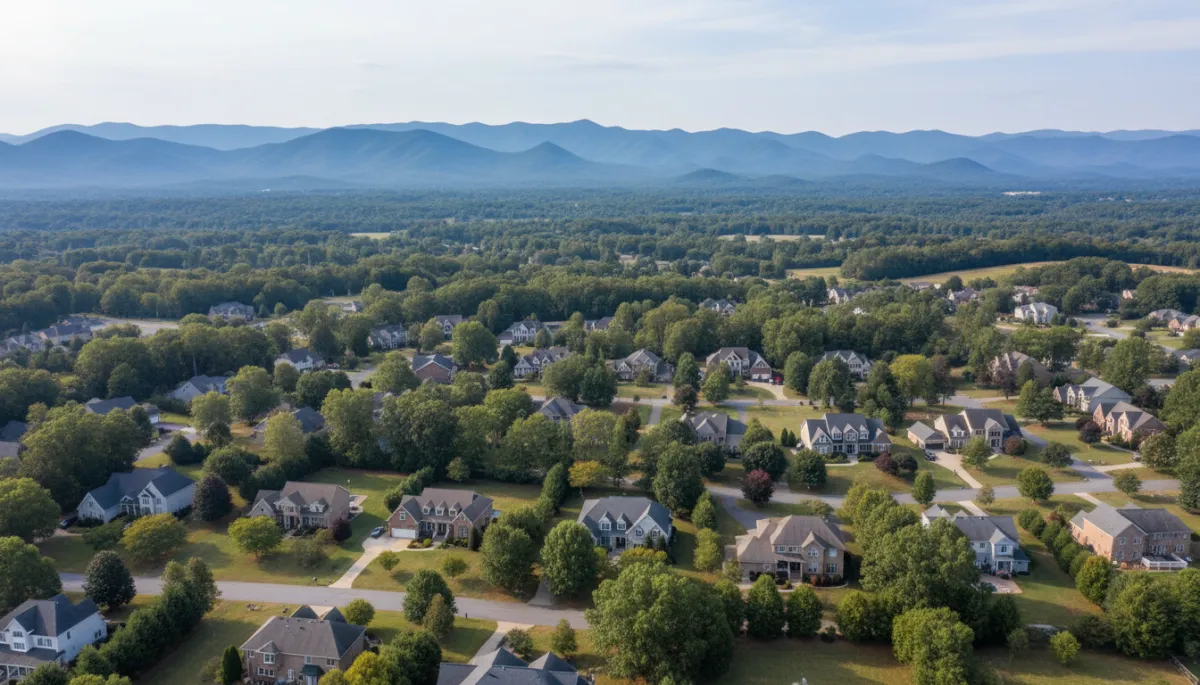
Smaller Western NC towns often deliver mountain views at a lower housing cost than Asheville.
The Cons of Moving to Western NC in 2026
1. A Mixed Job Market and Reliance on Remote Work
When weighing pros and cons, employment is one of the biggest trade-offs. Western NC has a growing economy, with expansions in manufacturing, outdoor recreation, tourism, and small businesses. For example, GE Aerospace is investing tens of millions into a facility expansion in West Jefferson, bringing new skilled jobs to the region. Still, outside of healthcare, education, and hospitality, the job market can feel limited—especially in more rural counties. Many new residents rely on remote work or bring businesses with them rather than finding high-paying roles locally.
2. Higher Housing Costs in Asheville and Popular Towns
Housing is the single biggest downside for many people considering relocating to North Carolina’s western region. In Asheville, median home values in early 2026 hover around the mid-$400,000s to just under $500,000, based on sources like Zillow and regional cost-of-living reports. Some analyses put the city’s overall cost of living 10–15% higher than the U.S. average, largely due to housing and lifestyle spending. While the market has cooled from its peak and inventory is improving, buyers still face elevated prices compared with many other parts of the state.
3. Limited Public Transportation and Mountain Driving
Outside of Asheville’s modest bus system, public transportation options are limited. For most residents, a personal vehicle is essential. Mountain roads can be winding, steep, and occasionally icy in winter, which may be a challenge if you’re used to flat, urban driving. Factor in fuel, maintenance, and potentially higher insurance costs when calculating your Western NC cost of living 2026 budget.
4. Infrastructure Gaps: Healthcare, Internet, and Services
In and around Asheville, you’ll find solid hospital systems, specialists, and relatively reliable high-speed internet. But in more rural counties, access to healthcare and broadband can be inconsistent. Some residents drive 30–60 minutes for certain appointments or rely on satellite or fixed wireless internet. If you depend on telehealth or remote work, research specific addresses carefully before you commit to moving to Western NC’s more remote pockets.
5. Environmental Concerns: Drought and Weather Events
While Western NC isn’t known for hurricanes the way the coast is, it isn’t immune to weather challenges. Heavy rains can lead to localized flooding or landslides, and winter storms occasionally disrupt travel. In 2026, parts of far Western NC are experiencing extreme drought, with lake levels dropping and burn bans in effect. Newcomers are encouraged to conserve water, stay informed about fire risk, and be prepared for periodic restrictions on outdoor burning or water use.
Cost of Living in Western NC in 2026: What to Expect
When people search “Western NC cost of living 2026,” they often get conflicting answers, especially about Asheville. That’s because different cost-of-living indexes weigh housing, healthcare, taxes, and discretionary spending differently. Still, several consistent patterns emerge across recent data.
Housing and Rent
In Asheville, average home values sit around $451,000–$490,000 as of early 2026, with some reports citing even higher medians depending on neighborhood. Prices have dipped slightly from recent peaks but remain elevated compared with the North Carolina state median (roughly in the $300,000s). Average rent in Asheville is around $1,750 per month, a bit below some national figures but still a major line item for most households.
In smaller Western NC towns, housing costs can be significantly lower. Boone, for instance, is estimated to be roughly 20% cheaper than Asheville on many expenses and nearly half the cost when rent is factored in, according to 2026 cost-of-living analyses. If you’re flexible on exact location, this difference can dramatically reshape your Western NC moving budget.
Everyday Expenses: Groceries, Utilities, and Healthcare
Everyday costs in Western NC tend to be moderate, with some categories slightly above and some slightly below national averages. In Asheville, you might pay around $22 for a casual restaurant meal and see grocery prices for staples like eggs and chicken slightly higher than in many smaller cities. Organic and specialty foods, which are popular in the region, can add to your bill if you shop that way regularly.
On the plus side, utilities and transportation often come in a bit lower than the national average, and many forms of recreation are low-cost or free. Healthcare can be somewhat more expensive than average in certain Western NC markets, so it’s worth comparing insurance networks and provider availability before you relocate.
Sample Monthly Budgets in 2026
For a single person in Asheville, a moderate lifestyle budget often falls in the $2,600–$3,400 per month range, depending on rent, dining habits, and entertainment. That might include:
Rent and utilities: $1,700–$1,900
Groceries and household items: $350–$500
Transportation (car payment, gas, insurance): $300–$450
Healthcare, phone, subscriptions, and misc.: $250–$450
In Boone or another more affordable Western NC town, those numbers can drop notably, especially on rent or mortgage payments. Families of four will, of course, see higher totals, but many still find Western NC more manageable than major East Coast metros—especially when they factor in the value of free outdoor recreation and a lower-pressure lifestyle.
Is Moving to Western NC Right for You?
Relocating to North Carolina’s mountain region in 2026 can be a life-enhancing decision if you’re drawn to natural beauty, four seasons, and a strong sense of place. The Western NC lifestyle rewards people who value community, outdoor time, and local culture over big-city amenities and nonstop nightlife. At the same time, it’s important to be clear-eyed about the cons: a patchy job market in some industries, higher housing costs in Asheville and other hot spots, infrastructure gaps in rural areas, and growing environmental concerns like drought and fire risk.
To decide whether Western NC moving plans make sense for you in 2026, start by clarifying your priorities: Do you have or expect remote income? How comfortable are you with mountain driving and four seasons? Are you willing to live just outside the most popular cities to gain affordability? With honest answers—and realistic cost-of-living numbers—you can choose the right corner of the mountains and step into a new chapter that fits both your budget and your lifestyle.